Tag: glossary

Skip to main content Part of our Heritage Kitchen Glossary – short guides to the ingredients and techniques behind Eastern European cooking. Put nalysnyky and blintzes side by side and they look like the same dish twice: a thin crepe wrapped around white cheese, cooked once as a pancake and again after it is filled.…
Skip to main content Part of our Heritage Kitchen Glossary – short guides to the ingredients and techniques behind Eastern European cooking. The short answer Farmer’s cheese is a fresh, pressed curd cheese, made by draining most of the whey out of soured milk curds until what remains holds its shape. It ends up firmer…
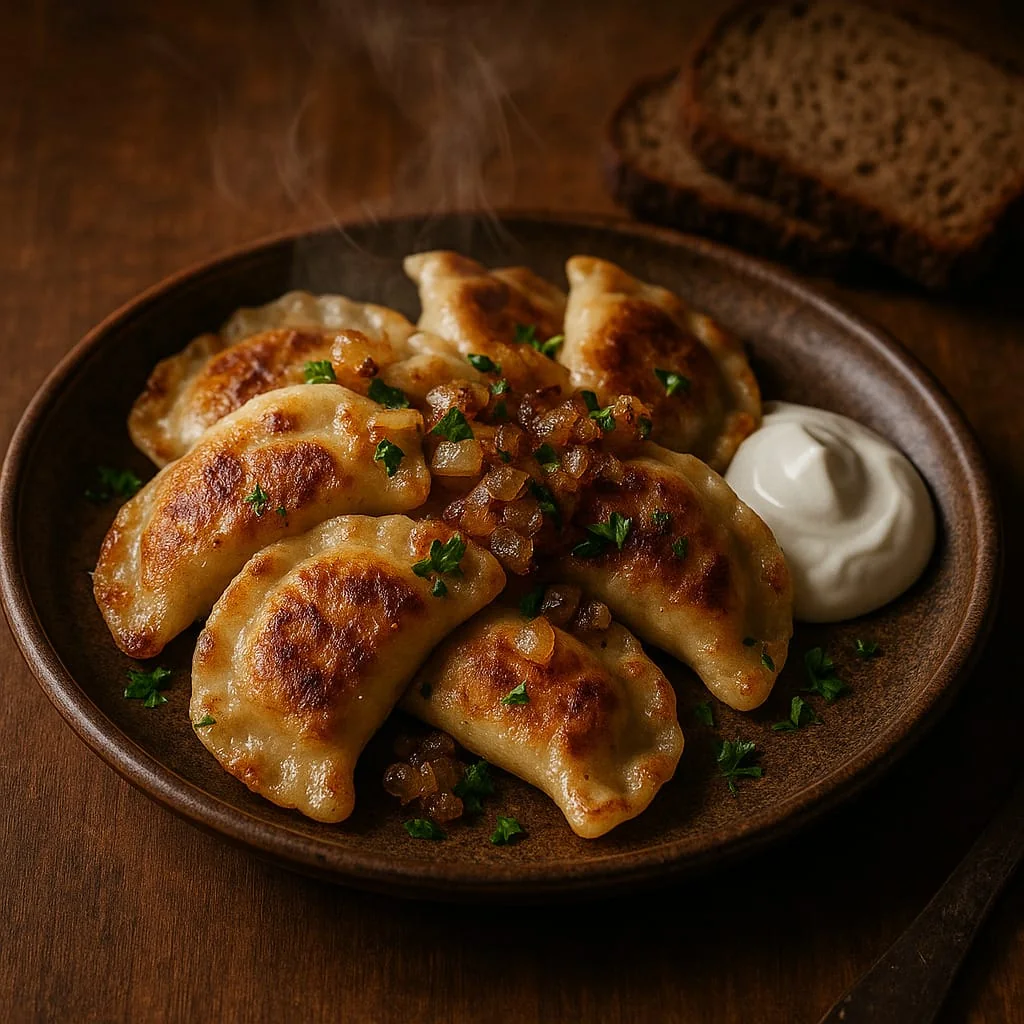
Skip to main content Part of our Heritage Kitchen Glossary – short guides to the dishes, ingredients and techniques of Eastern European cooking. Put a plate of pierogi, a bowl of varenyky, and a ladle of barszcz with uszka floating in it on the same table, and a stranger to the region could be forgiven…
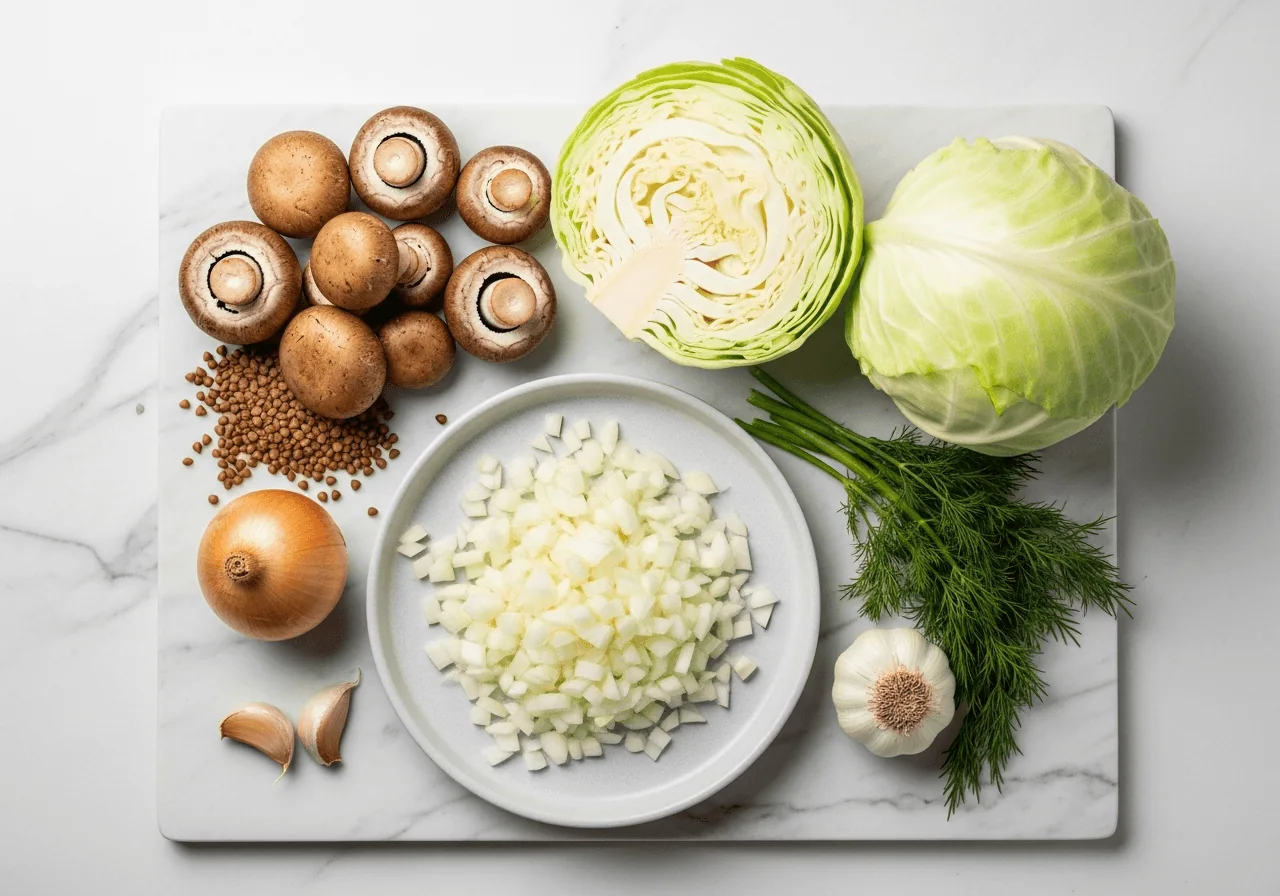
Skip to main content Part of our Heritage Kitchen Glossary – short guides to the ingredients and techniques behind Eastern European cooking. The short answer Kasha is the Ukrainian and Russian word for cooked grain porridge: millet, buckwheat, barley, semolina, whatever a household had on hand. It names a category, not a single dish. Cross…
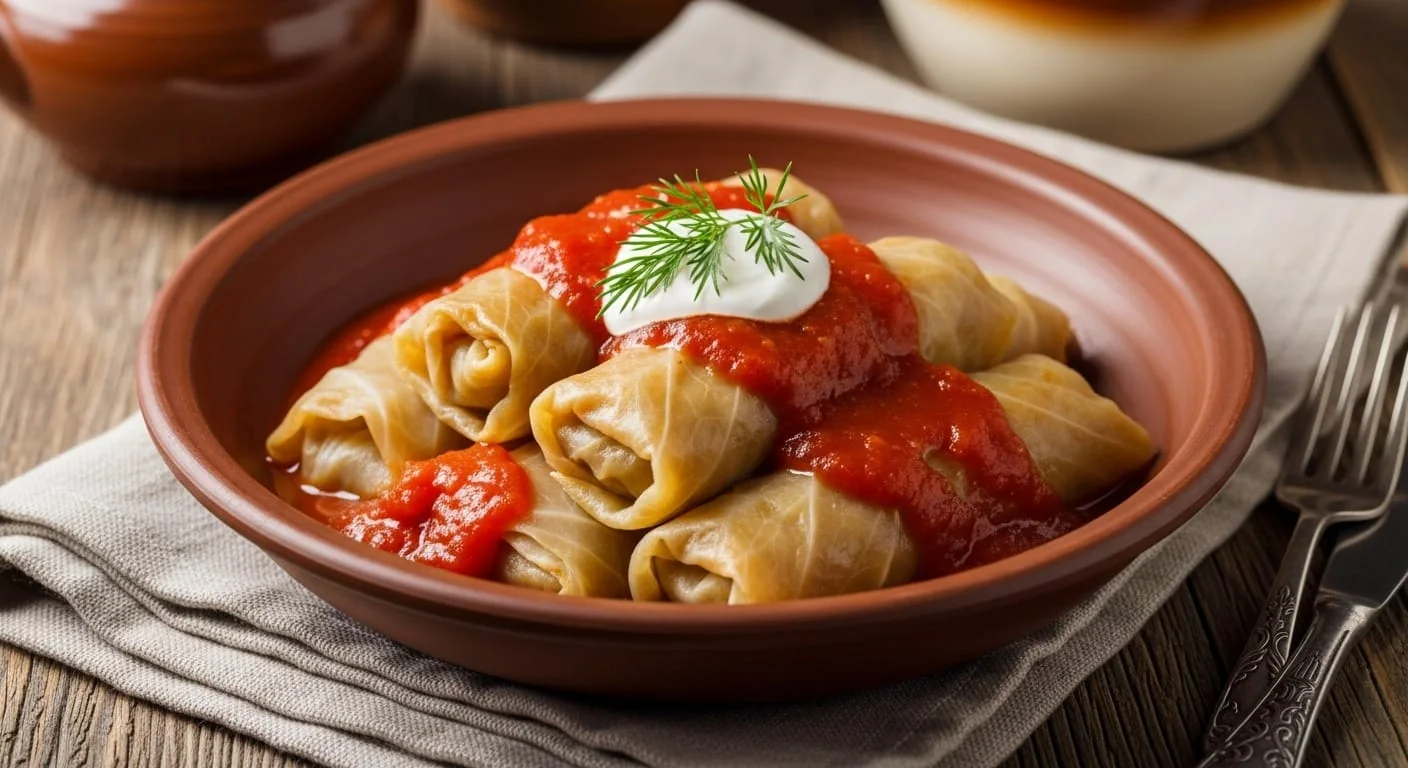
Skip to main content Part of our Heritage Kitchen Glossary – short guides to the ingredients and techniques behind Eastern European cooking. Put a plate of holubtsi next to a plate of gołąbki and almost nobody could tell you which is which. Both are cabbage leaves blanched soft, wrapped around rice and minced pork, braised…
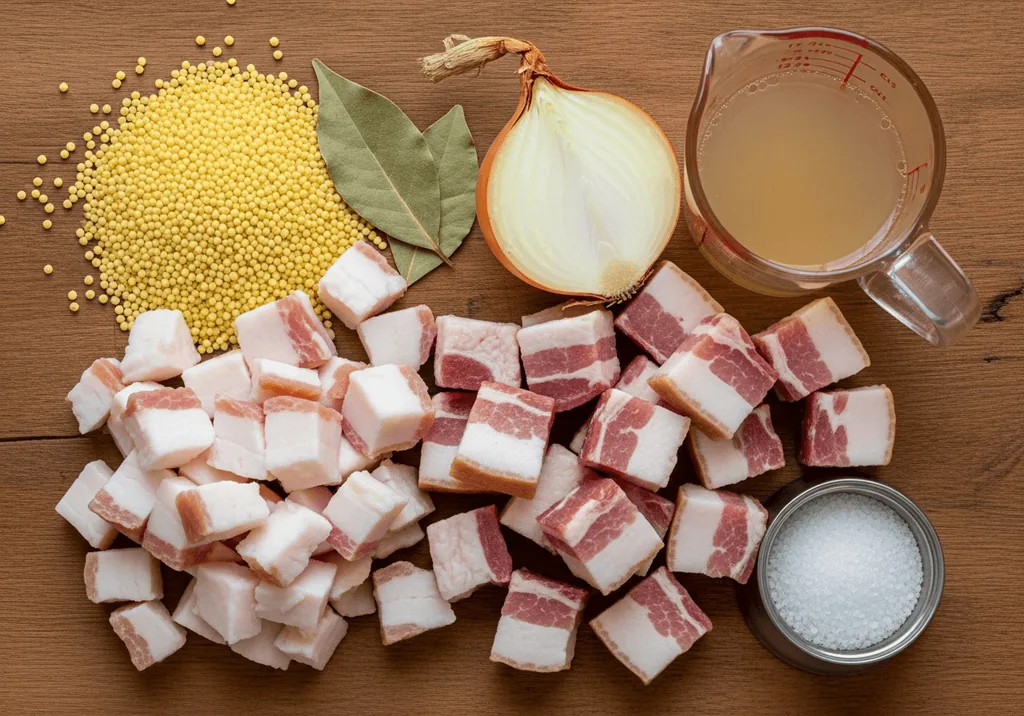
Skip to main content Part of our Heritage Kitchen Glossary – short guides to the ingredients and techniques behind Eastern European cooking. The short answer Salo is cured pork back fat, cut into thick slabs and rubbed with salt, often with garlic, rather than cooked down right away. Shkvarky are what happens when you fry…
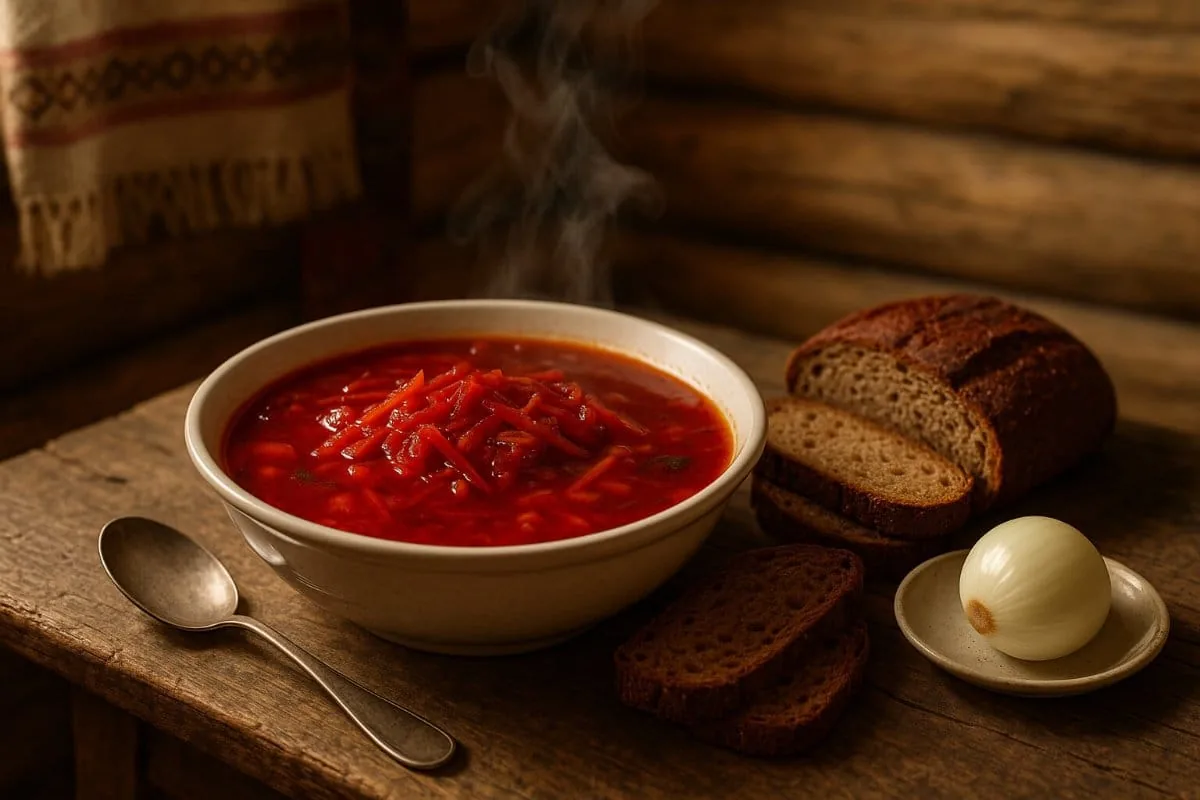
Skip to main content Part of our Heritage Kitchen Glossary – short guides to the dishes, ingredients and techniques of Eastern European cooking. Three tables, three bowls, the same crimson color – and three genuinely different soups. Ukrainian borscht, Polish barszcz czerwony, and Jewish beet borscht all start from the same root vegetable, grew up…
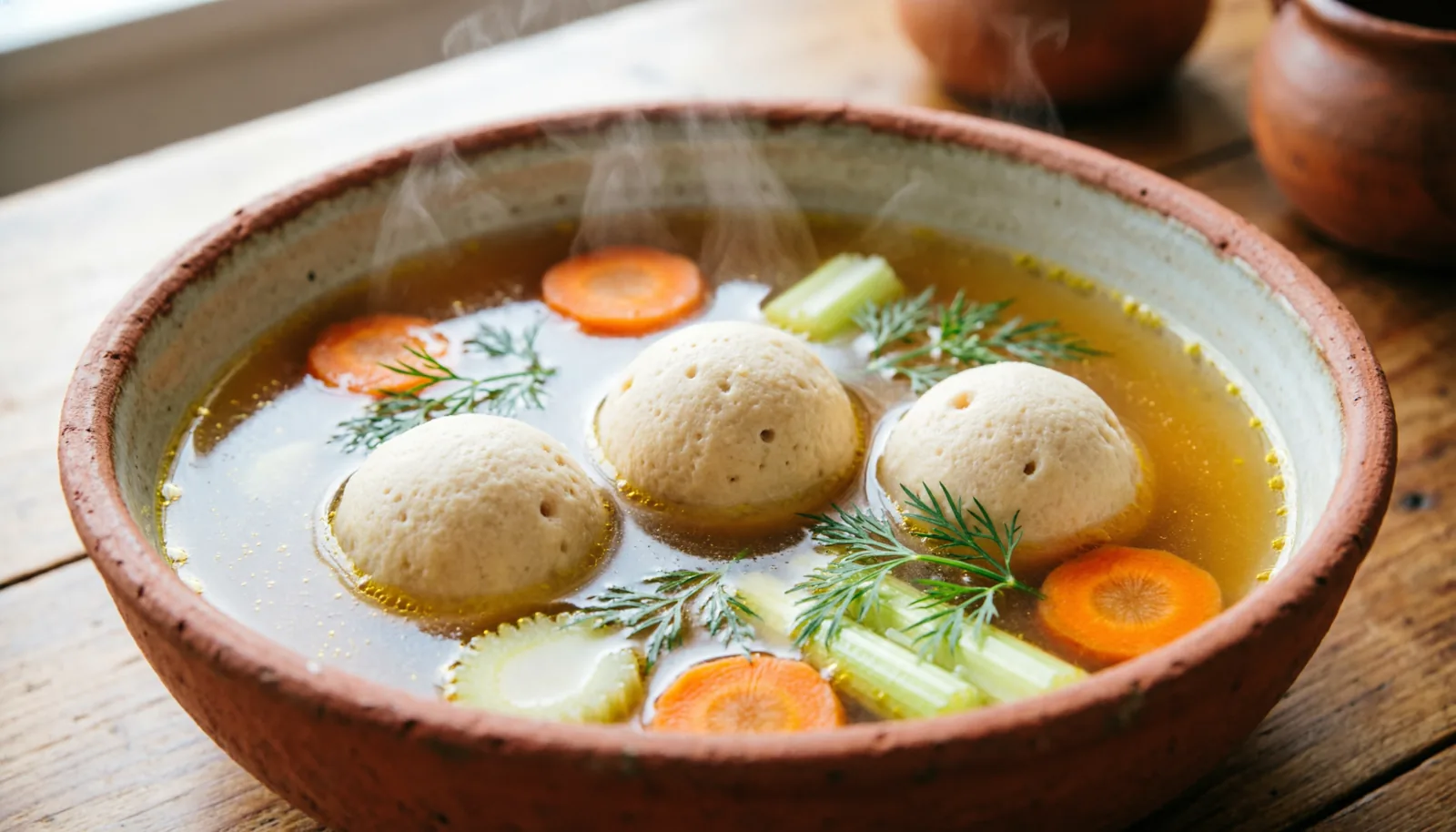
Skip to main content Part of our Heritage Kitchen Glossary – short guides to the ingredients and techniques behind Eastern European cooking. The short answer Kneidlach are the soft dumplings that give matzo ball soup its name – round balls made from matzo meal, beaten eggs, a fat such as schmaltz or oil, and a…
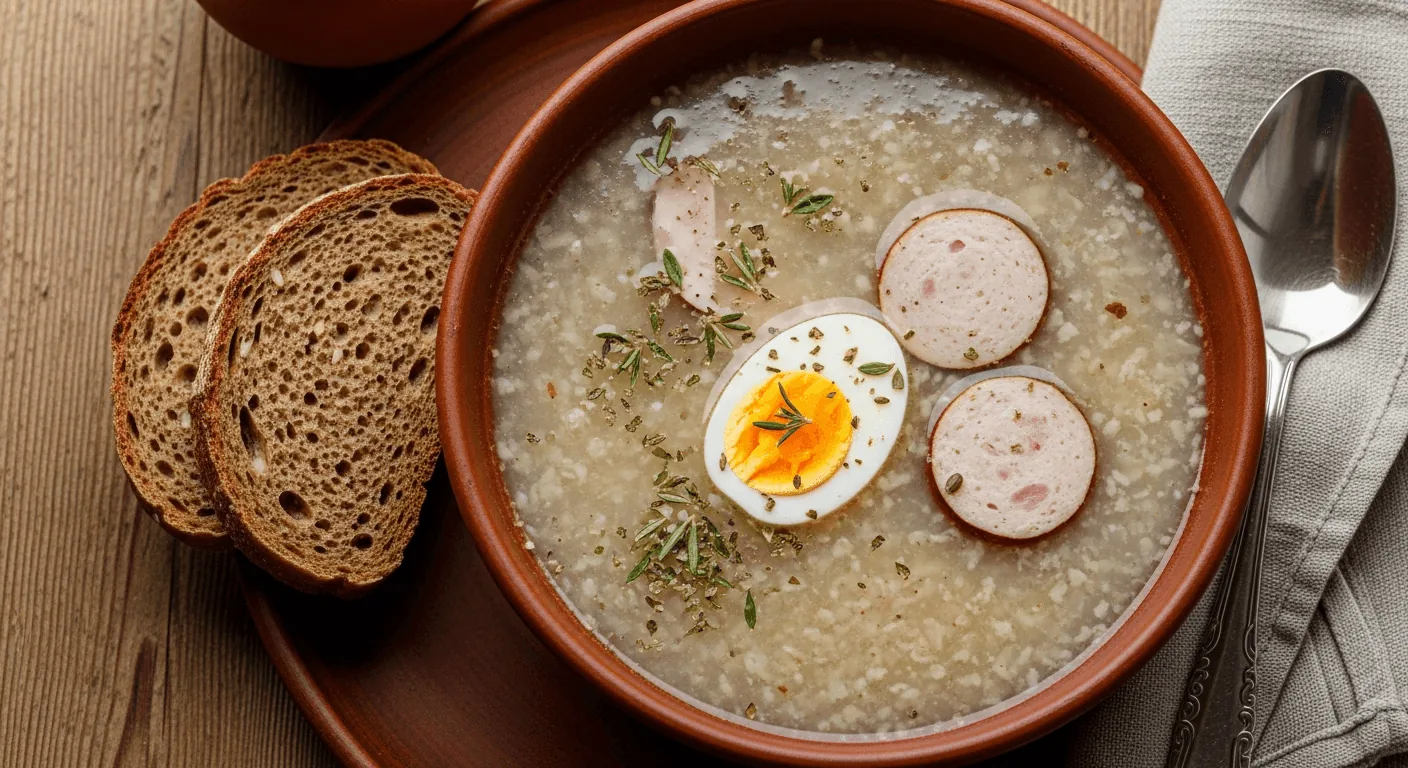
Skip to main content Part of our Heritage Kitchen Glossary – short guides to the ingredients and techniques behind Eastern European cooking. The short answer Zakwas is a Polish fermented sour starter – grain or vegetable left to sour naturally in water over several days until lactic fermentation gives it a clean, tangy acidity. It…
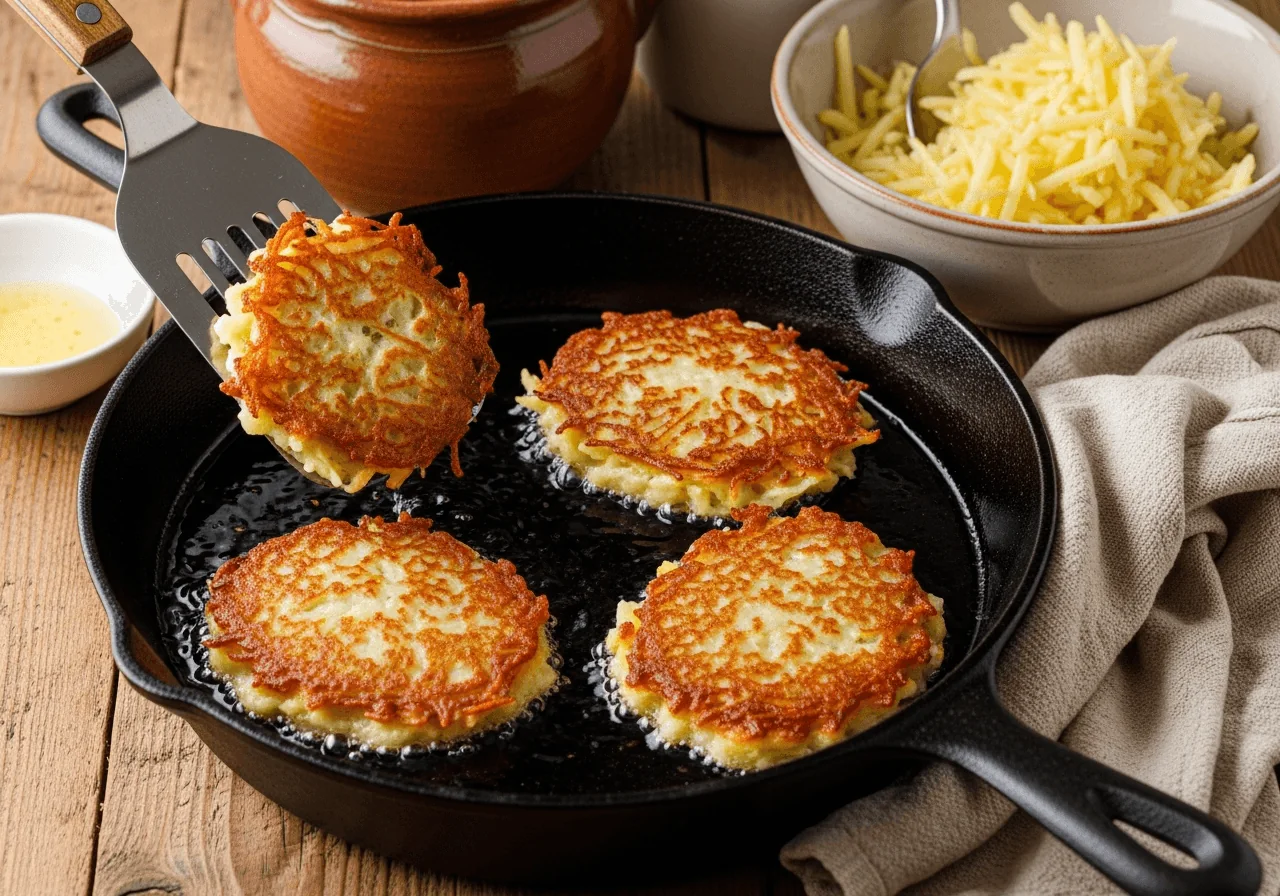
Skip to main content Part of our Heritage Kitchen Glossary – short guides to the dishes, ingredients and techniques of Eastern European cooking. Ask for a potato pancake in Warsaw, Kyiv and a Jewish home in either city, and you will get three different answers that look almost the same on the plate: placki ziemniaczane,…
Skip to main content Part of our Heritage Kitchen Glossary – short guides to the ingredients and techniques behind Eastern European cooking. The short answer Schmaltz is rendered poultry fat – almost always chicken, historically goose – that served as the primary cooking fat of Ashkenazi Jewish kitchens for centuries. Where French cooking reaches for…