
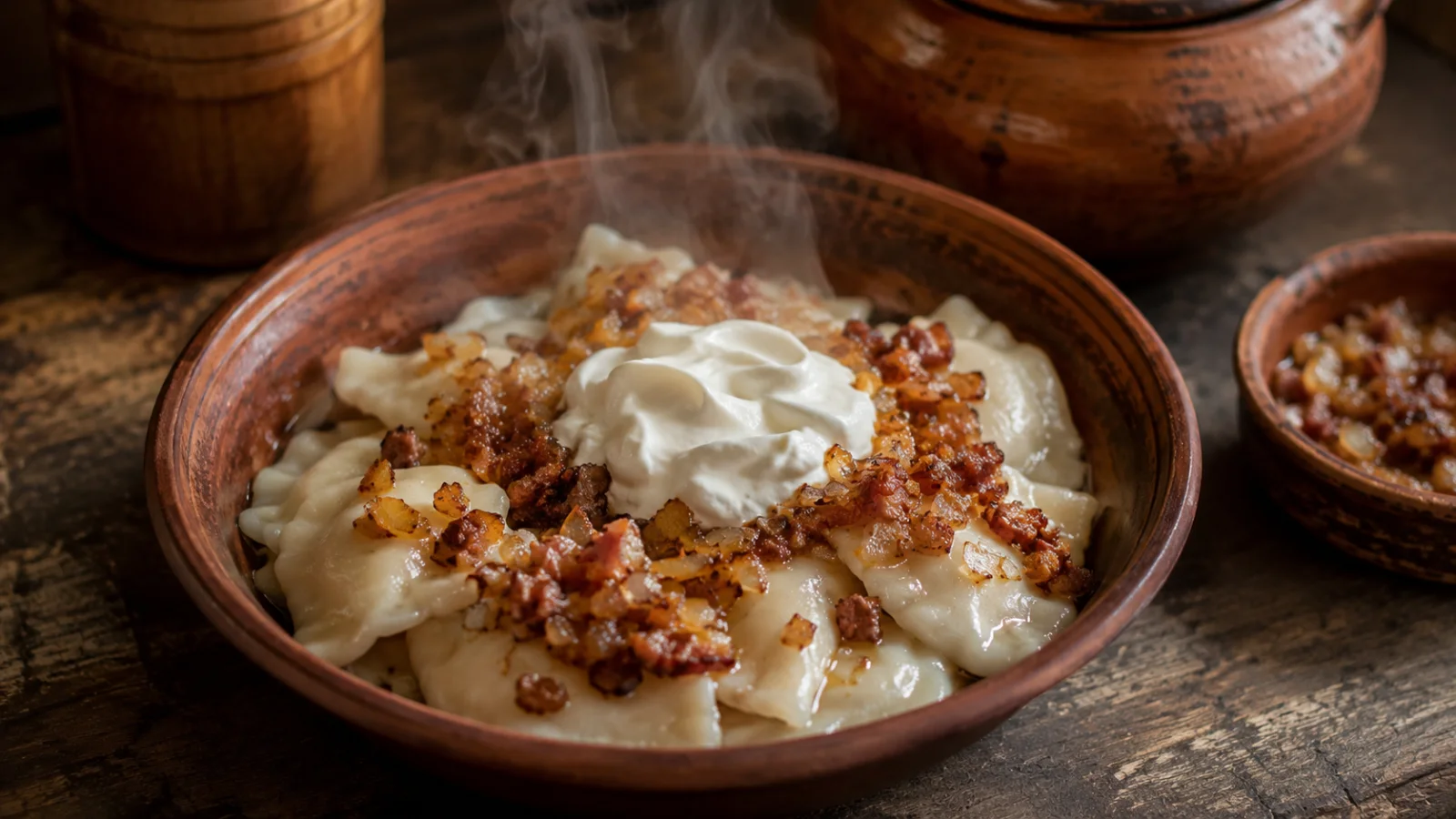
Active time: about 1 hour | Total time: about 1 hour 45 minutes | Serves: 6 (about 50 dumplings) | Difficulty: Medium
Quick Overview
- Make a simple dough from flour, egg, water, and salt, then let it rest
- Mix a filling of ground pork or beef with grated onion, salt, and pepper
- Roll the dough thin, cut small rounds, and fold each one around a spoonful of filling
- Pinch the edges tightly to seal, then boil the dumplings in well-salted water until they float
- Fry diced bacon and onion into a crisp topping while the dumplings cook
- Serve hot with the bacon-onion topping and a generous spoonful of sour cream
What Koldūnai Is
Koldūnai are small boiled dumplings: a thin egg dough wrapped around a savory filling, most often ground meat, though curd cheese and mushrooms are both traditional as well.1,8 The same dish, under essentially the same word, belongs to three neighboring cuisines at once — koldūnai in Lithuania, kalduny in Belarus, kołduny in Poland.1
Size is what separates them from their better-known cousin, pierogi. Koldūnai are smaller and can be served floating in broth; pierogi are bigger and never appear in soup.9 The filling differs too: koldūnai traditionally go in raw and finish cooking as the dumpling boils, while pierogi are usually filled with something already cooked.9
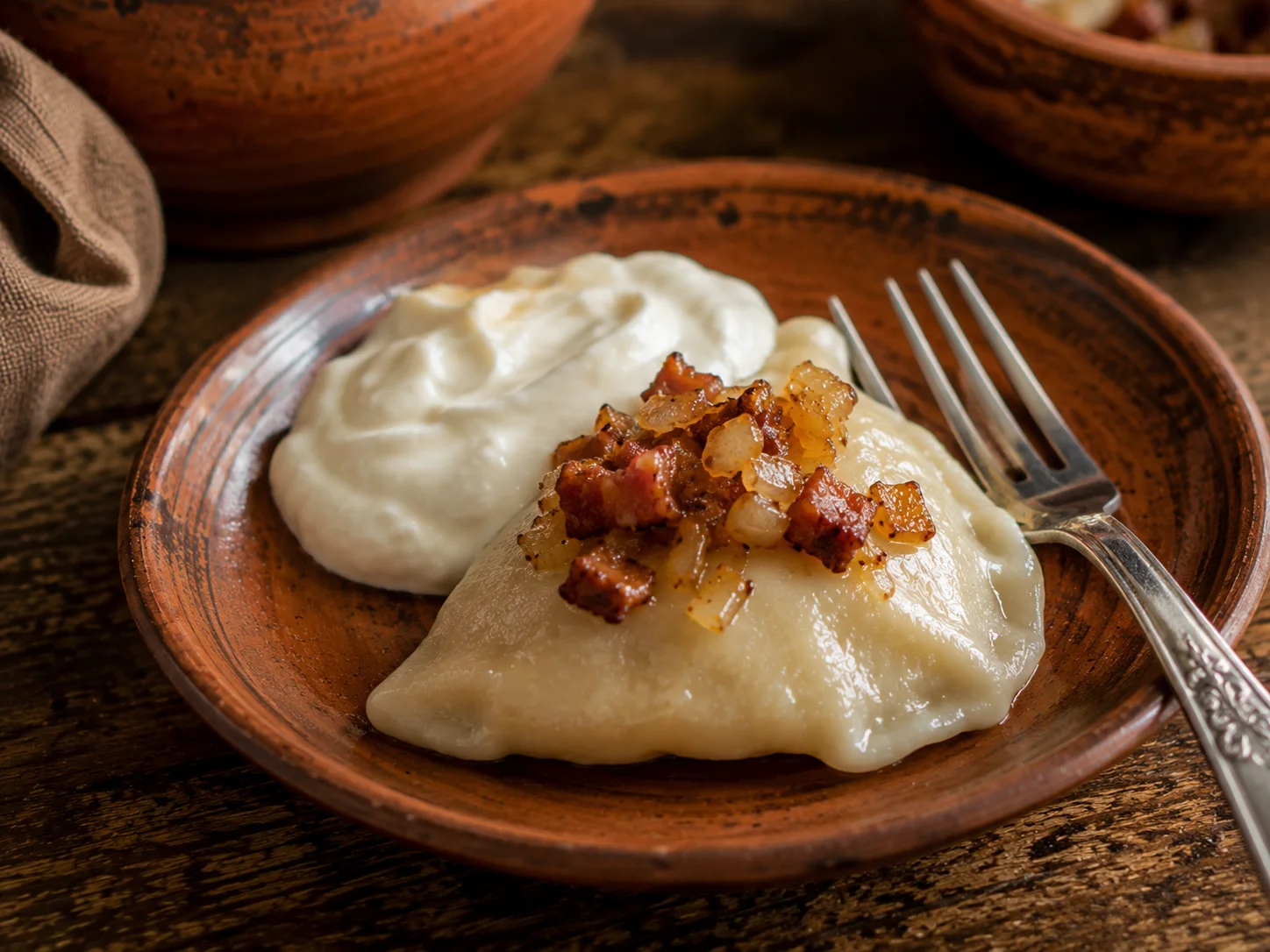
The everyday Lithuanian way to eat them is simple: fresh out of the pot, topped with sour cream and a garnish of fried bacon and onion, sometimes called spirgučiai.8,9 Other regions favor plain butter and black pepper, or even mayonnaise.8
A regional variant worth knowing by name is ausėlės, or “little ears”: small mushroom-filled dumplings shaped to resemble a piglet’s ear, tied to the Christmas Eve table in parts of Lithuania and sometimes served afloat in a tart beet broth rather than plain.6,7 More on that below.
History and Origins
Where the name comes from is genuinely unsettled. In the Slavic languages that share the word, kalduny sounds close to an old term for “magicians” or “sorcerers,” though no source has ever explained how a dumpling came to carry that name.1
The dish belongs to a dumpling family that stretches across the region and well beyond it. Lithuanian koldūnai sit alongside Belarusian kalduny and Polish kołduny under nearly the same word, and further relatives include Italian ravioli, Hungarian derelye, Ashkenazi Jewish pirogen, Russian pelmeni, and Central Asian manti.1 Historians tracing the wider Baltic dumpling tradition believe filled dough dishes reached the region long ago, likely alongside early wheat cultivation, and were reshaped over time by newcomers.5
Those newcomers arrived in force during the 14th and 15th centuries. Grand Duke Vytautas the Great invited Tatar settlers into the Grand Duchy of Lithuania toward the end of the 14th century, and they first put down roots around Vilnius, Trakai, Hrodna, and Kaunas, serving initially as a military caste before moving into trades and crafts.3 Vilnius’s own tourism authority traces koldūnai’s arrival to this same period of settlement, attributing it broadly to the Tatars, Karaites, and Jews who settled in the region during those two centuries.2 The Karaites of Trakai, a small Turkic community with roots in this same era, still count koldūnai, koldunlar in their own language, among their traditional dishes today, alongside the better-known crescent-shaped kibinai.4
Regional naming complicates the picture further. In parts of Lithuania, particularly Aukštaitija in the northeast, dumplings filled with dried wild mushrooms and shaped to resemble small ears go by ausėlės or ausytės rather than koldūnai, with their own tradition attached: a fixture of the Kūčios, or Christmas Eve, table, sometimes served afloat in a tart beet broth instead of plain.6,7 Dzūkija, farther south, favors a version of the same dumpling fried rather than boiled — a reminder that koldūnai was never one fixed dish so much as a family of closely related regional customs.7
The dish never went out of fashion. The small town of Viduklė became a byword for handmade koldūnai after the Second World War, when a cook named Elytė Pylipienė, recently returned from exile in Siberia, adapted the recipe with local women there after encountering a version of the dish in a cafeteria.5 At the tradition’s height, the town produced thousands of dumplings a day by hand, and travelers heading toward the coast would stop specifically to eat them.5 A restaurant in Viduklė has kept the recipe alive since 1956, still serving the dumplings the traditional way — eaten with a teaspoon, so the broth trapped inside isn’t lost to a careless bite.5
Traditional Recipe
This recipe was developed independently by Heritage Healthy Kitchen; the sources cited throughout are for further reading on the dish’s history and background, not the basis of the recipe itself.
Ingredients (Serves 6, About 50 Dumplings)
For the Dough
- 500g (4 cups) all-purpose flour, plus extra for dusting
- 1 large egg
- 250ml (1 cup) warm water
- 1 tsp salt

For the Filling
- 500g (1.1 lb) ground pork, or a mix of ground pork and beef
- 1 large onion, finely grated or minced
- 1 tsp salt
- ½ tsp black pepper
- 3–4 tbsp cold water
For the Topping
- 150g (5 oz) bacon, diced small
- 1 onion, finely chopped
- Sour cream, to serve (about 180ml/¾ cup total)
Instructions
- Make the dough. Whisk the flour and salt together in a large bowl. Make a well in the center, add the egg and warm water, and bring together into a rough dough. Knead by hand for 8–10 minutes, until smooth and elastic. Cover and rest for 30 minutes.
- Make the filling. Combine the ground meat, grated onion, salt, pepper, and cold water in a bowl. Mix thoroughly by hand; the water helps keep the filling juicy once it cooks inside the sealed dough.
- Roll and cut. Divide the rested dough into 2–3 pieces for easier handling. Roll each piece out thinly, about 2mm, and cut rounds roughly 6cm (2½ inches) across.
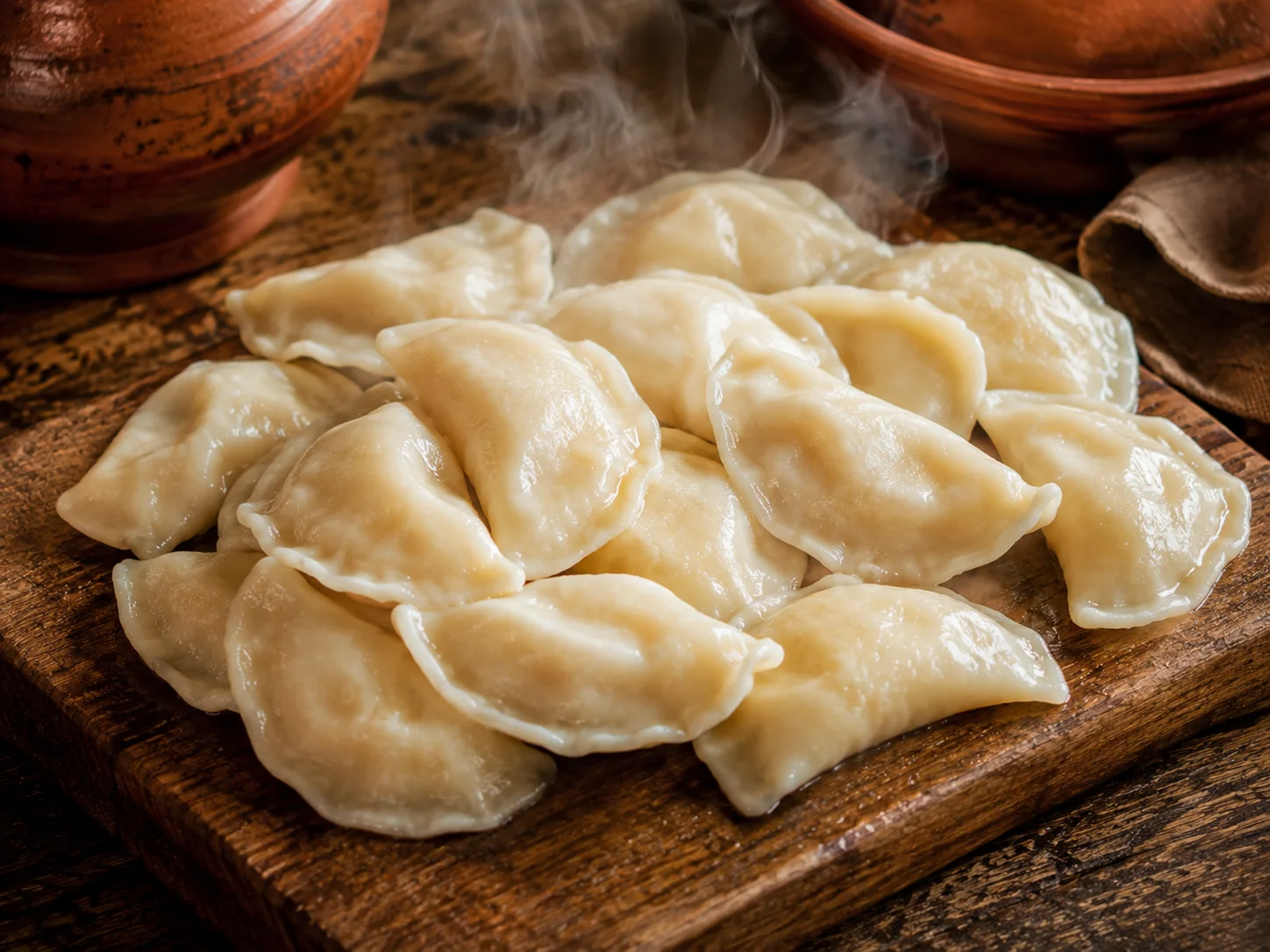
- Fill and seal. Place a small teaspoon of filling in the center of each round. Fold the dough over into a half-moon and pinch the curved edge firmly shut, working along its full length to prevent gaps.
- Boil. Bring a large pot of generously salted water to a boil. Drop the dumplings in a few at a time, stirring gently so they don’t stick to the pot or each other. Cook for 5–7 minutes from when they rise to the surface.
- Make the topping. While the dumplings cook, fry the bacon in a dry pan until crisp. Add the chopped onion and cook until softened and lightly golden.
- Serve. Drain the dumplings and divide among bowls. Spoon the bacon and onion over the top, and finish with a generous dollop of sour cream.
Variation: Mushroom or Curd Cheese Filling
Meat isn’t the only traditional filling. Dried wild mushrooms and curd cheese are both well established, and either one works with the same dough and the same boiling method described above.1,8
Mushroom Filling (For the Same Batch of Dough)
- 40g (1.4 oz) dried wild mushrooms, such as porcini
- 2 onions, finely chopped
- 3 tbsp (45g) butter
- Salt and pepper, to taste
Curd Cheese Filling (For the Same Batch of Dough)
- 500g (1.1 lb) dry curd cheese (tvorog)
- 1 egg yolk
- ½ tsp salt
For the mushroom filling: soak the dried mushrooms in warm water for 30 minutes, then drain and chop finely. Melt the butter in a pan, add the onion, and cook until soft. Stir in the mushrooms and cook a few minutes more. Season with salt and pepper, then cool completely before filling.
For the curd cheese filling: combine the curd cheese, egg yolk, and salt in a bowl, mixing until smooth and evenly combined.
Fill, seal, and boil exactly as with the meat version above. The classic pairing follows the filling: melted butter for mushroom-filled koldūnai, sour cream for cheese-filled ones.1
Kitchen Tips
Seal the edges with care. Because koldūnai boil with a raw filling inside, a weak pinch along the curved seam is the most common reason dumplings split open and lose their filling to the pot.
Keep some fat in the meat. Filling made from very lean meat tends to dry out during boiling; a modest amount of fat keeps the inside juicy once the dumpling is sealed.
Roll the dough thin, but not paper-thin. Dough that’s too thick turns gummy once boiled; dough that’s too thin tears under the weight of the filling.
Cook in small batches. Crowding the pot drops the water temperature and encourages the dumplings to stick together before the dough has had a chance to firm up.
For a more traditional dough, replace the water with onion juice. Some recipes use it in place of plain water, and it adds a mild savoriness to the dough itself rather than relying on the filling alone.1
Nutritional Information
Estimated values per serving (about 8 dumplings, with topping and sour cream):
- Calories: approximately 660–800 kcal
- Protein: approximately 25–31g
- Total fat: approximately 33–40g
- Saturated fat: approximately 13–16g
- Carbohydrates: approximately 63–77g
- Dietary fiber: approximately 3g
- Sodium: approximately 305–375mg
Nutritional values are estimates calculated from the specific ingredient quantities in this recipe, using standard reference values. They will vary depending on the fat content of the meat and bacon used, and on portion size.
Most of the saturated fat here comes from the bacon and sour cream on top rather than from the dumplings themselves. Red meat, butter, and full-fat dairy are among the biggest contributors of saturated fat in a typical diet, and this dish draws on two of the three at once.10 A single serving already meets or exceeds the American Heart Association’s full daily recommended limit of about 13 grams of saturated fat, which makes the topping worth watching more than the dough or filling.11
Storage and Reheating
Store cooked koldūnai in an airtight container in the refrigerator for up to 3 days, without the sour cream.
Reheat by pan-frying briefly in a little butter, which crisps the outside back up, or by microwaving until hot through. Add the bacon topping and sour cream fresh each time.
Uncooked dumplings freeze well. Arrange them in a single layer on a floured tray until solid, then transfer to a freezer bag for up to 2 months. Boil straight from frozen, adding 2–3 minutes to the cooking time.
Traditional Koldūnai

Ingredients
Ingredients (Serves 6, About 50 Dumplings)
- 500g (4 cups) all-purpose flour, plus extra for dusting
- 1 large egg
- 250ml (1 cup) warm water
- 1 tsp salt
For the Filling
- 500g (1.1 lb) ground pork, or a mix of ground pork and beef
- 1 large onion, finely grated or minced
- 1 tsp salt
- ½ tsp black pepper
- 3–4 tbsp cold water
For the Topping
- 150g (5 oz) bacon, diced small
- 1 onion, finely chopped
- Sour cream, to serve (about 180ml/¾ cup total)
Variation: Mushroom or Curd Cheese Filling
- 40g (1.4 oz) dried wild mushrooms, such as porcini
- 2 onions, finely chopped
- 3 tbsp (45g) butter
- Salt and pepper, to taste
Curd Cheese Filling (For the Same Batch of Dough)
- 500g (1.1 lb) dry curd cheese (tvorog)
- 1 egg yolk
- ½ tsp salt
Instructions
- Make the dough. Whisk the flour and salt together in a large bowl. Make a well in the center, add the egg and warm water, and bring together into a rough dough. Knead by hand for 8–10 minutes, until smooth and elastic. Cover and rest for 30 minutes.
- Make the filling. Combine the ground meat, grated onion, salt, pepper, and cold water in a bowl. Mix thoroughly by hand; the water helps keep the filling juicy once it cooks inside the sealed dough.
- Roll and cut. Divide the rested dough into 2–3 pieces for easier handling. Roll each piece out thinly, about 2mm, and cut rounds roughly 6cm (2½ inches) across.
- Fill and seal. Place a small teaspoon of filling in the center of each round. Fold the dough over into a half-moon and pinch the curved edge firmly shut, working along its full length to prevent gaps.
- Boil. Bring a large pot of generously salted water to a boil. Drop the dumplings in a few at a time, stirring gently so they don’t stick to the pot or each other. Cook for 5–7 minutes from when they rise to the surface.
- Make the topping. While the dumplings cook, fry the bacon in a dry pan until crisp. Add the chopped onion and cook until softened and lightly golden.
- Serve. Drain the dumplings and divide among bowls. Spoon the bacon and onion over the top, and finish with a generous dollop of sour cream.
Frequently Asked Questions
What’s the difference between koldūnai and pierogi?
Mainly size and cooking method. Koldūnai are smaller and are traditionally filled raw, so the filling finishes cooking inside the dough as it boils; pierogi are larger and usually filled with something already cooked. Koldūnai can also be served floating in broth, which pierogi never are.9
How are koldūnai different from cepelinai and kibinai, Lithuania’s other well-known dumplings?
All three are distinct dishes. Cepelinai are large potato dumplings, made from a dough of raw and cooked grated potato rather than flour. Kibinai are baked, not boiled, made from a yeasted dough folded around a raw filling and finished in the oven. Koldūnai sit apart from both: a plain flour-and-egg dough, boiled rather than baked, and noticeably smaller than either.
What is spirgučiai?
A crisp, salty pork topping made from fried bacon or pork cracklings, often served together with sautéed onion. It’s one of the classic garnishes for koldūnai, spooned over the dumplings alongside sour cream just before serving.8,9
Can koldūnai be filled with something other than meat?
Yes. Curd cheese and mushrooms are both traditional fillings alongside meat, and all three appear regularly on Lithuanian tables.1,8
What are ausėlės?
A regional name, mainly used in Aukštaitija, for mushroom-filled dumplings shaped to resemble small ears. They’re closely tied to the Kūčios, or Christmas Eve, table, and are sometimes served in a tart beet broth rather than on their own.6,7
Does the name “koldūnai” really come from a word for magicians?
That’s the leading theory, though an unproven one. The word closely resembles an old Slavic term for “magicians” or “sorcerers,” but no source has ever explained how it came to describe a dumpling.1
Can koldūnai be made ahead and frozen?
Yes, and it’s the easiest way to manage a large batch. Freeze the shaped, uncooked dumplings on a tray before bagging them, and boil straight from frozen rather than thawing first.
Looking for a Lighter Version?
Between the bacon, the sour cream, and a filling built on fattier ground pork, this traditional recipe is a hearty one by design. The Healthy Koldūnai article on this site covers a leaner filling, a lighter topping, and a whole-grain dough option, while keeping the same shape and the same boiling method intact.
Further Reading & Sources
The following sources were consulted in researching the history, technique, and cultural background of traditional koldūnai. Heritage Healthy Kitchen’s recipe was developed independently; these links are provided for readers who want to explore further.
- “Kalduny.” Wikipedia. en.wikipedia.org/wiki/Kalduny — the shared Lithuanian/Belarusian/Polish name and its uncertain link to a Slavic word for “magicians,” the dish’s place among the wider Eurasian dumpling family, and its traditional fillings and serving styles.
- “10 Foods that Represent Vilnius.” Go Vilnius (Vilnius Tourism and Convention Bureau). govilnius.lt — koldūnai’s likely arrival in Lithuania during the 14th and 15th centuries via Tatar, Karaite, and Jewish settlers.
- “Lipka Tatars.” Wikipedia. en.wikipedia.org/wiki/Lipka_Tatars — Grand Duke Vytautas the Great’s invitation of Tatar settlers into the Grand Duchy of Lithuania at the end of the 14th century, and their settlement around Vilnius, Trakai, Hrodna, and Kaunas.
- “National Dishes.” KARAIMS of Lithuania (Asociacija Lietuvos karaimų kultūros bendrija, the official Karaite cultural association). karaim.eu/en/traditions/national-dishes — koldunlar’s place among traditional Karaite dishes, alongside kybyn and cheburek.
- “The Return of Tradition: Why Lithuania Is Falling in Love With Dumplings Again.” Falstaff, Ugnė Vedeikaitė. falstaff.com — the wider Eurasian dumpling family, the theory that filled dough dishes reached the Baltic region via early wheat cultivation, and the postwar story of Viduklė’s koldūnai tradition.
- “Kas yra koldūnai, virtiniai, švilpikai, šaltanosiai ir auselės?” Meniu.lt. meniu.lt — the regional naming of ausėlės as mushroom-filled, ear-shaped dumplings tied to the Kūčios table.
- “Koldūnai su grybais – tradicinis Kūčių patiekalas.” Derlingas.lt. derlingas.lt — regional differences between boiled and fried versions of ausėlės/ausytės in Aukštaitija and Dzūkija.
- “Koldūnai.” TasteAtlas. tasteatlas.com/koldunai — traditional fillings, garnishing styles, and the spirgučiai topping.
- “Koldunai Dumplings (Polish Kołduny).” Everyday Healthy Recipes, Monika Dabrowski. everydayhealthyrecipes.com — the size and cooking-method distinctions between koldūnai and pierogi, and the Lithuanian-style bacon, onion, and sour cream garnish.
- “Fats and Cholesterol.” The Nutrition Source, Harvard T.H. Chan School of Public Health. nutritionsource.hsph.harvard.edu — red meat, butter, and full-fat dairy as major dietary sources of saturated fat.
- “Saturated Fats.” American Heart Association. heart.org — the recommended daily limit for saturated fat intake.
Disclaimer
The information in this article is provided for educational and informational purposes only. Heritage Healthy Kitchen makes no representations or warranties regarding the accuracy or completeness of any content on this site. Nutritional values are estimates only and will vary depending on the specific ingredients, brands, and measurements used. This content is not intended as dietary, medical, or professional nutritional advice. Always consult a qualified healthcare provider regarding any dietary needs or health conditions. Heritage Healthy Kitchen is not responsible for any outcomes resulting from the use of recipes or information published on this site.
You Might Also Like
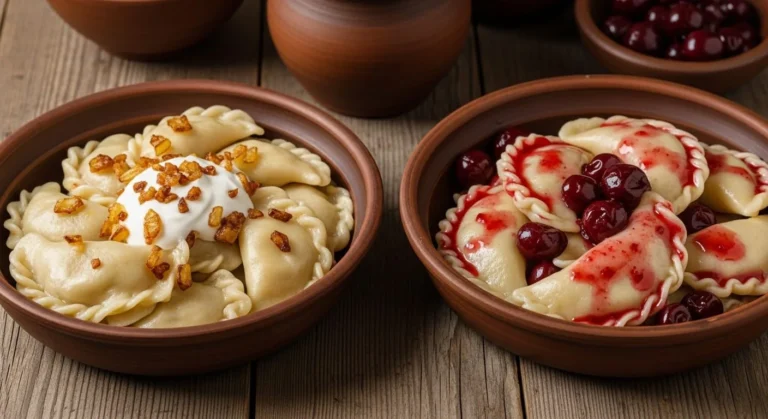
More heritage recipes from our kitchen


Leave a Reply